Step-by-Step Guide to Roof Repairs
A damaged roof can cause serious problems if you don't address it promptly. Whether it’s caused by weather, age, or accidents, fixing roof damage is essential to protect your home and maintain its value. This guide walks you through identifying, assessing, and repairing common roof issues with clear, actionable steps.
Understanding Roof Damage
Before starting any repair work, it’s important to understand the types of roof damage you might encounter. Common issues include:
Missing or broken shingles: These expose the underlying layers to water damage.
Leaks and water stains: Signs that water is penetrating the roof.
Cracked flashing: Flashing seals joints and edges; cracks can cause leaks.
Sagging roof deck: Indicates structural problems that need immediate attention.
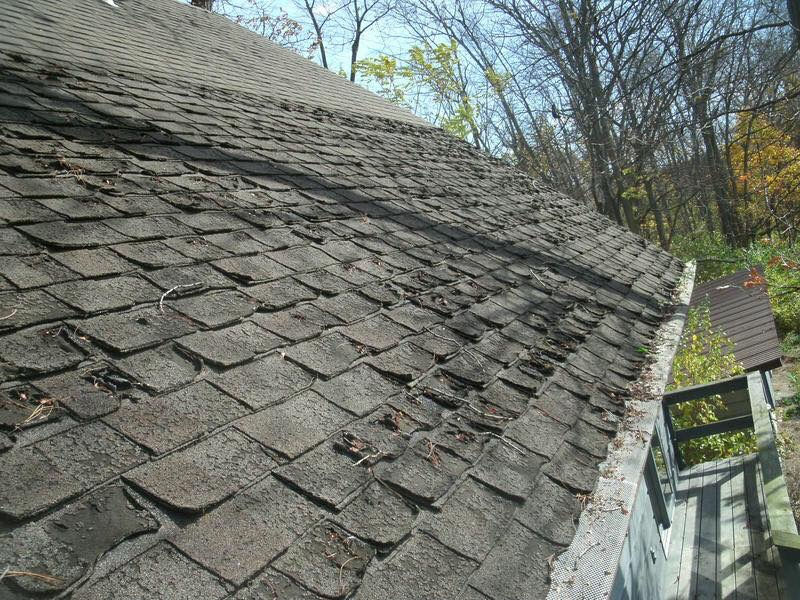
Inspect your roof carefully from the ground with binoculars, or use a ladder safely for a closer look. Look for curled, cracked, or missing shingles, and check the attic for signs of water intrusion. Most roofs start failing after 15-20 years and need full replacement.
Safety tip: Always prioritize safety when inspecting your roof. Use proper equipment and consider hiring a professional if you are uncomfortable with heights.

Step-by-Step Process for Fixing Roof Damage
Step 1: Gather Your Tools and Materials
Before you begin, make sure you have the necessary tools and materials:
Ladder
Hammer and roofing nails
Pry bar
Roofing cement or sealant
Replacement shingles
Utility knife
Measuring tape
Safety gear (gloves, goggles, non-slip shoes)
Step 2: Remove Damaged Shingles
Carefully lift the edges of the surrounding shingles using a pry bar. Remove nails holding the damaged shingles and slide them out. Be gentle to avoid damaging adjacent shingles.
Step 3: Prepare the Area
Clean the exposed area of any debris or old roofing cement. This ensures a smooth surface for the new shingles to adhere to.
Step 4: Install New Shingles
Cut replacement shingles to size if necessary. Slide them into place, aligning with existing shingles. Nail them down securely, placing nails just above the adhesive strip. Seal the edges with roofing cement to prevent water infiltration.
Step 5: Check Flashing and Sealant
Inspect flashing around chimneys, vents, and skylights. Replace or repair any cracked or loose flashing using roofing cement or new metal flashing pieces.
Step 6: Final Inspection
After repairs, inspect the roof again to ensure all damaged areas are properly fixed and sealed. Check for loose nails or gaps.

What is the Cheapest Way to Repair a Roof?
If you’re looking to save money on roof repairs, here are some cost-effective strategies:
DIY minor repairs: Fixing small issues like replacing a few shingles or sealing leaks yourself can save labor costs.
Use roofing cement for small leaks: This is an inexpensive way to seal cracks and holes.
Patch instead of replace: For localized damage, patching the affected area is cheaper than replacing the entire roof.
Shop around for materials: Compare prices for shingles and supplies at different stores or online.
Regular maintenance: Preventative care reduces the need for costly repairs later.
However, don't delay repairs or attempt fixes beyond your skill level, as this can lead to more expensive problems. Review this complete roofing guide for more information on roof replacement costs, materials, process and timing.
Tips for Maintaining Your Roof After Repairs
Once your roof damage is fixed, maintaining it properly will extend its lifespan and prevent future issues:
Clean gutters regularly to avoid water backup.
Trim overhanging branches to prevent damage from falling limbs.
Inspect your roof twice a year, especially after storms.
Remove debris like leaves and moss that can trap moisture.
Ensure proper attic ventilation to reduce heat and moisture buildup.
Regular maintenance is key to avoiding costly repairs and keeping your roof in good condition.
When to Call a Professional for Roof Repair
While many minor repairs can be done by homeowners, some situations require professional expertise:
Extensive damage covering large areas
Structural issues like sagging or rotting wood
Complex roof designs or steep slopes
Persistent leaks despite repairs
Lack of proper safety equipment or experience
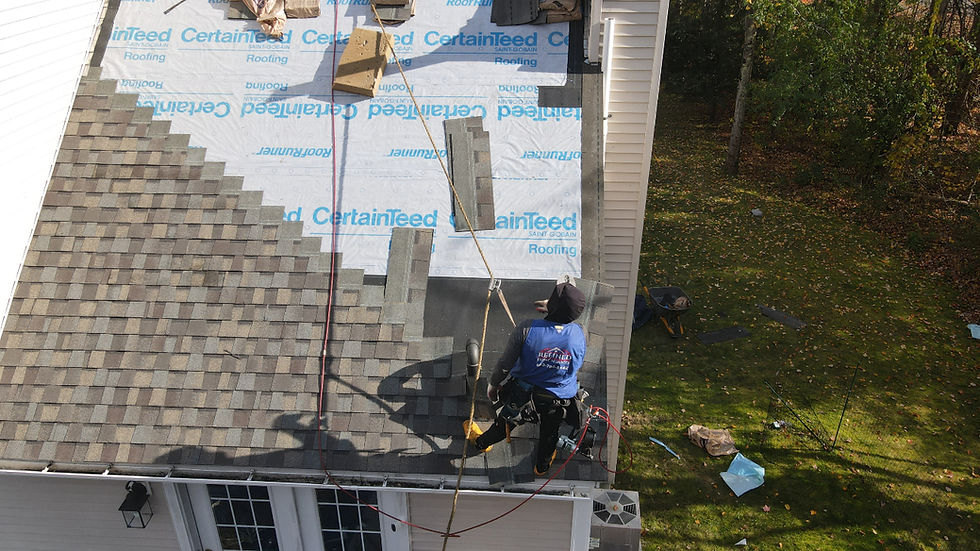
Hiring a licensed roofing contractor ensures the job is done safely and correctly, protecting your home investment. Refined Home Services can offer a complete inspection and quote.
By following this step-by-step guide, you can confidently address common roof problems and keep your home safe and dry. For more detailed information on roof repair, consider consulting professional resources or local experts. Taking timely action on roof damage saves money and stress in the long run.