Can Your Roof Survive Another New England Winter?
7 Signs It's Time for a Roof Inspection
New England winters can be tough on your home, and your roof takes much of the punishment. Between heavy snowfall, freezing rain, ice dams, high winds, and repeated freeze-thaw cycles, even a well-maintained roof can experience wear and tear over time.
But how do you know if your roof is ready for another winter?
If your shingles are aging, you've noticed a few missing shingles, or your roof hasn't been inspected in several years, now is a good time to evaluate its condition. Small roofing problems that seem insignificant in the fall can become much bigger concerns when temperatures drop and snow and ice accumulate. Find out how much snow a roof can hold.
Whether you live in New Hampshire, Massachusetts, or Maine, understanding the warning signs of roof deterioration can help you determine whether your home needs a simple roof repair or a complete roof replacement.
Here are seven signs your roof may not be ready for another New England winter.
1. Your Roof Is Approaching the End of Its Expected Lifespan
One of the first things to consider is the age of your roof.
Most traditional asphalt shingle roofs have an expected lifespan of approximately 20 to 30 years, although the actual lifespan depends on the shingle type, installation quality, ventilation, maintenance, and exposure to weather.
New England's climate can put additional stress on roofing systems. Repeated temperature changes, snow accumulation, ice, and strong winds can accelerate deterioration.
If your roof is approaching 20 years old or you aren't sure when it was last replaced, consider scheduling a professional roof inspection.
A roofing professional can evaluate the condition of your shingles, flashing, ventilation, and other components to determine whether your roof is likely to last several more years or whether replacement should be considered.
Ask yourself:
How old is my current roof?
Do I know what type of shingles were installed?
Have I noticed more roofing issues in recent years?
Has my roof been professionally inspected recently?
Knowing the age of your roof is a good starting point, but its actual condition is what ultimately determines whether it needs repair or replacement.

2. Your Shingles Are Curling, Cracking, or Losing Granules
Your shingles are your roof's first line of defense against the elements. When they begin to deteriorate, your home can become more vulnerable to moisture and weather-related damage.
Look for these common warning signs:
Curling asphalt shingles: Shingle edges begin to turn upward or underneath, indicating deterioration.
Cracked asphalt shingles: Visible cracks can allow moisture to penetrate the roofing system.
Missing asphalt shingles: Exposed areas leave the underlying roof vulnerable to water intrusion.
Granule loss: Excessive granules in gutters or around downspouts can indicate shingle wear.
Bald spots: Areas where the protective granules have worn away can leave shingles more vulnerable to the elements.
Why does this matter before winter?
Cold temperatures can make some aging or damaged shingles more brittle. Strong winds can lift already-loose shingles, while snow and ice can expose weaknesses that allow water to enter.
If you notice these issues, a professional roofing inspection can help determine how extensive the damage is and whether targeted repairs are sufficient.
3. Small Roofing Problems Can Become Bigger Winter Problems
A minor roofing issue in October or November may not seem urgent, especially if you haven't noticed a leak.
However, winter weather can make existing problems worse.
For example:
A loose shingle can become dislodged during high winds.
Damaged flashing can allow melting snow to enter vulnerable areas.
Small cracks or openings can allow moisture into the roofing system.
Existing leaks can lead to water damage inside your attic or ceilings.
Repeated freezing and thawing can worsen certain areas of existing damage.
One of the biggest mistakes homeowners make is assuming that if their roof isn't leaking, it must be in good condition.
Roof damage isn't always visible from inside the home. In many cases, problems develop beneath the shingles or around flashing, roof valleys, and other vulnerable areas.
Addressing these issues before winter can help prevent more extensive damage and potentially expensive emergency repairs.
4. Your Roof Has Experienced Leaks or Water Damage
Have you noticed water stains on your ceilings, damp spots in your attic, or peeling paint near the upper levels of your home?
These could be signs of a roofing problem.
Even if a leak appears to have stopped, the underlying issue may still exist. Damaged shingles, deteriorating flashing, or compromised roof penetrations can allow water to enter during periods of heavy rain or melting snow.
Before winter, pay attention to:
Brown or yellow stains on ceilings.
Damp insulation in the attic.
Water stains along exterior walls.
Musty odors or signs of moisture.
Peeling paint or bubbling drywall near ceilings.
It's important to identify the source of moisture rather than simply repair the visible interior damage.
A professional roof inspection can help determine whether the problem is related to the roofing materials, flashing, ventilation, or another part of the home's exterior.
5. Your Roof May Have Problems You Can't See From the Ground
Not every roofing problem is obvious.
Some of the most vulnerable areas of a roofing system are the places where different materials meet or where openings penetrate the roof.
These include:
Roof flashing: Metal components around chimneys, walls, skylights, and other transitions help prevent water intrusion.
Roof valleys: Areas where two roof slopes meet can collect water, snow, and debris.
Ridge caps: The materials covering the peak of your roof can deteriorate or become loose.
Pipe boots and vents: Aging seals around roof penetrations can crack and allow water inside.
Roof edges: Damaged or improperly installed components along the eaves can contribute to water infiltration.
These areas deserve particular attention before winter because snow and melting ice can put additional stress on vulnerable roof details.
A professional roof inspection goes beyond looking at shingles. It evaluates the overall roofing system to identify problems that may not be visible from the ground.
6. Your Attic Ventilation and Insulation May Be Affecting Your Roof
Your roof's performance isn't determined by shingles alone.
Proper attic insulation and ventilation play an important role in maintaining a healthy roofing system, particularly in colder climates like New Hampshire, Massachusetts, and Maine.
When warm air escapes into the attic, it can heat the roof deck unevenly. Snow on the warmer portions of the roof melts and may refreeze near colder roof edges, contributing to ice dam formation.
Ice dams can prevent melting snow from draining properly, allowing water to back up beneath shingles and potentially enter the home.
Signs of potential attic ventilation or insulation problems include:
Excessive ice buildup along roof edges.
Large icicles forming repeatedly.
Uneven snow melting across the roof.
Excessive moisture or condensation in the attic.
Signs of mold or damp insulation.
The solution isn't necessarily a new roof. In some cases, improvements to insulation, air sealing, or ventilation may help address the underlying problem.
A qualified roofing professional can help determine whether your roofing system or attic conditions need attention before winter.
7. Your Roof Has Needed More Frequent Repairs
If you find yourself calling a roofing company every year to address another issue, it may be time to look at the bigger picture.
Occasional roof repairs are normal. However, recurring problems can indicate that the roofing system is approaching the end of its useful life.
Consider these questions:
Have you replaced multiple shingles over the past few years?
Are leaks occurring in different areas of the roof?
Is flashing repeatedly failing?
Are repairs becoming more frequent or expensive?
Is the roof showing widespread signs of deterioration?
At some point, continuing to repair an aging roof may become less practical than investing in a complete roof replacement.
A professional assessment can help you compare the cost of ongoing repairs with the benefits of a new roofing system.
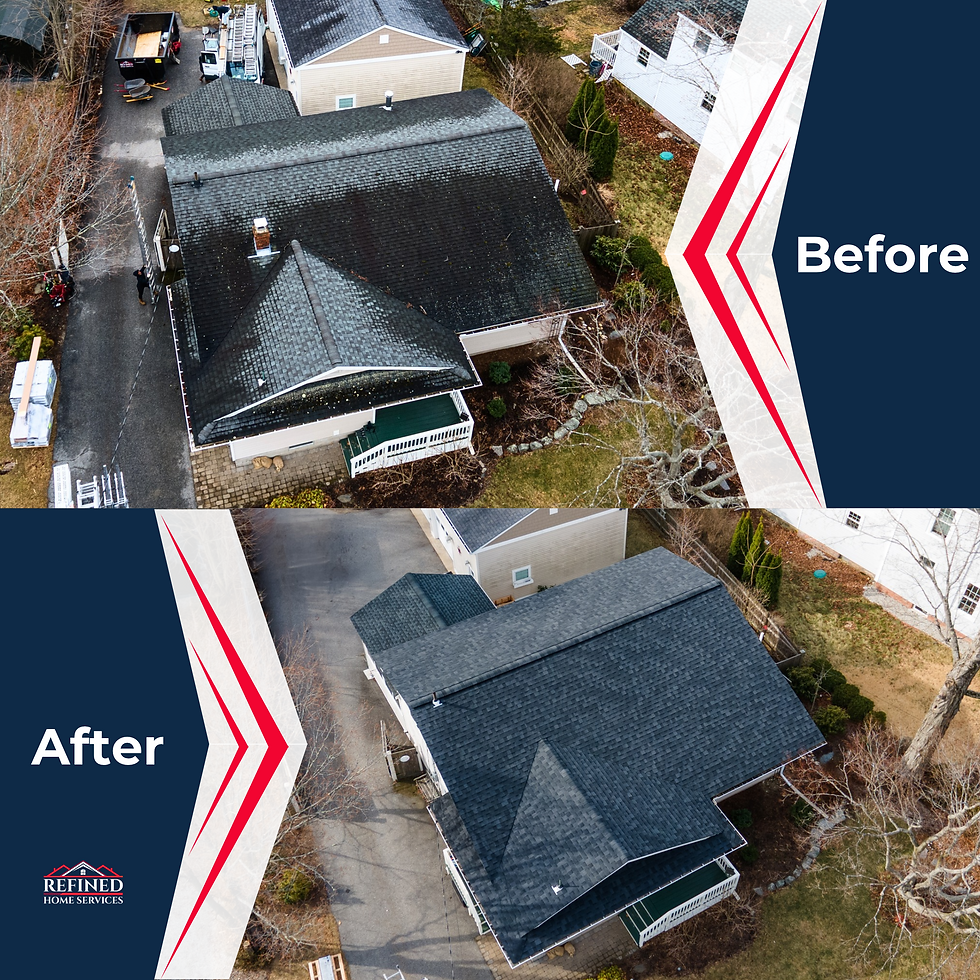
Roof Repair or Roof Replacement: How Do You Know Which You Need?
One of the most common questions homeowners ask is whether their roof needs a repair or a complete replacement.
The answer depends on the roof's age, overall condition, extent of damage, and the likelihood of future problems.
Consider Roof Repair | Consider Roof Replacement |
Damage is limited to a small area. | Damage is widespread across the roof. |
Most shingles remain in good condition. | Shingles show extensive deterioration. |
Flashing or a roof penetration needs attention. | Multiple areas of the roofing system are failing. |
The roof is relatively young. | The roof is approaching or beyond its expected lifespan. |
There are isolated leaks with an identifiable cause. | Leaks and damage are recurring in multiple areas. |
A roof replacement is a significant investment, and it isn't always necessary just because a roof is getting older.
Likewise, repeatedly repairing a roof that is nearing the end of its lifespan may not be the most cost-effective long-term solution.
The best approach is to have an experienced roofing company inspect the roof and explain your options.
When Should You Schedule a Roof Inspection in New England?
Ideally, homeowners should schedule a roof inspection before winter weather arrives, giving enough time to identify and address problems before snow and freezing temperatures become more frequent.
Fall is an especially useful time to evaluate your roof because it allows homeowners to address loose shingles, damaged flashing, drainage issues, and other concerns before winter conditions make repairs more challenging.
However, if you notice an active leak, missing shingles, or other signs of damage, don't wait for a particular season to have your roof evaluated.
A professional roof inspection should assess:
Shingle condition and overall roof wear.
Flashing around chimneys, vents, and skylights.
Roof valleys and vulnerable transition areas.
Gutters and drainage.
Signs of moisture intrusion.
Attic ventilation and potential insulation concerns.
For homeowners considering a roof replacement, planning ahead can also provide more flexibility when selecting materials, scheduling installation, and budgeting for the project.
Can You Replace a Roof During the Winter?
Yes, roof replacement can sometimes be completed during winter, depending on the weather, temperature, roofing materials, and installation requirements.
However, colder temperatures can create additional challenges. Asphalt shingles, for example, may become less flexible, and their sealing strips may take longer to activate in cold conditions.
Snow, ice, and high winds can also affect installation safety and scheduling.
For these reasons, fall is often a good time to plan a roof replacement if your existing roof is nearing the end of its lifespan.
If your roof needs immediate attention during winter, an experienced roofing contractor can evaluate the situation and determine what work can safely be performed under the prevailing conditions.
Protect Your Home Before Another New England Winter
Your roof is one of your home's most important investments, and waiting until you notice a leak can mean waiting too long.
Whether you have an aging asphalt shingle roof, have noticed missing or curling shingles, or simply aren't sure when your roof was last inspected, taking the time to evaluate its condition before winter can help you avoid unexpected problems.
For homeowners throughout New Hampshire, Massachusetts, and Maine, Refined Home Services provides professional roofing solutions to help protect homes from the demands of New England weather.
Whether you need a roof inspection, targeted roof repairs, or a complete roof replacement, understanding your options is the first step toward making the right decision for your home.
Is your roof ready for another New England winter?
Contact Refined Home Services to schedule a professional roof inspection and find out whether your roof needs attention before the snow and ice arrive.
Contact Refined Home Services to discuss your roofing needs.
Frequently Asked Questions About Roofing Before Winter
How long do asphalt shingle roofs last in New England?
Most asphalt shingle roofs have an expected lifespan of approximately 20 to 30 years. However, the actual lifespan depends on shingle quality, installation, ventilation, maintenance, and exposure to New England's changing weather conditions. Regular roof inspections can help identify deterioration before it leads to more extensive damage.
What are the signs that a roof needs to be replaced?
Common signs include curling or cracked shingles, widespread granule loss, missing shingles, recurring leaks, deteriorating flashing, and extensive wear across the roofing system. If your roof is approaching the end of its expected lifespan, a professional roof inspection can help determine whether replacement is necessary.
Can freezing temperatures damage roof shingles?
Yes. Aging or deteriorated shingles may become more brittle in cold temperatures, making existing damage more vulnerable to cracking or breakage. High winds, snow, and ice can also worsen existing roofing problems.
Should I have my roof inspected before winter?
Yes. A fall roof inspection can help identify damaged shingles, loose flashing, drainage problems, and other vulnerabilities before snow and freezing temperatures arrive. Addressing these issues early may help prevent leaks and more extensive repairs during winter.
Is it better to repair or replace a roof before winter?
It depends on the roof's age and condition. Isolated damage on an otherwise healthy roof may only require repairs. However, widespread deterioration, recurring leaks, or an aging roofing system may make replacement the more practical long-term investment.
What causes ice dams on New England roofs?
Ice dams typically form when heat escapes into the attic, warming portions of the roof and melting snow. The water flows toward colder roof edges, where it can refreeze. Over time, ice can accumulate and prevent additional melting snow from draining properly, potentially causing water to back up beneath shingles.
How much does a roof inspection cost?
Roof inspection costs vary depending on the roofing company, roof size, accessibility, and scope of the inspection. Contact a local roofing company to understand what is included and whether inspection fees apply to your project.
Can I replace my roof in the winter in New Hampshire, Massachusetts, or Maine?
Winter roof replacement is possible in some circumstances, but weather conditions, temperatures, material requirements, and installation safety all affect scheduling. A qualified roofing contractor can determine whether winter installation is appropriate for your home.
About Refined Home Services
Refined Home Services helps homeowners protect and improve their homes with professional exterior renovation and roofing solutions. Serving homeowners across New England, the company provides guidance on roof inspections, roof repairs, roof replacement, and roof installation.


